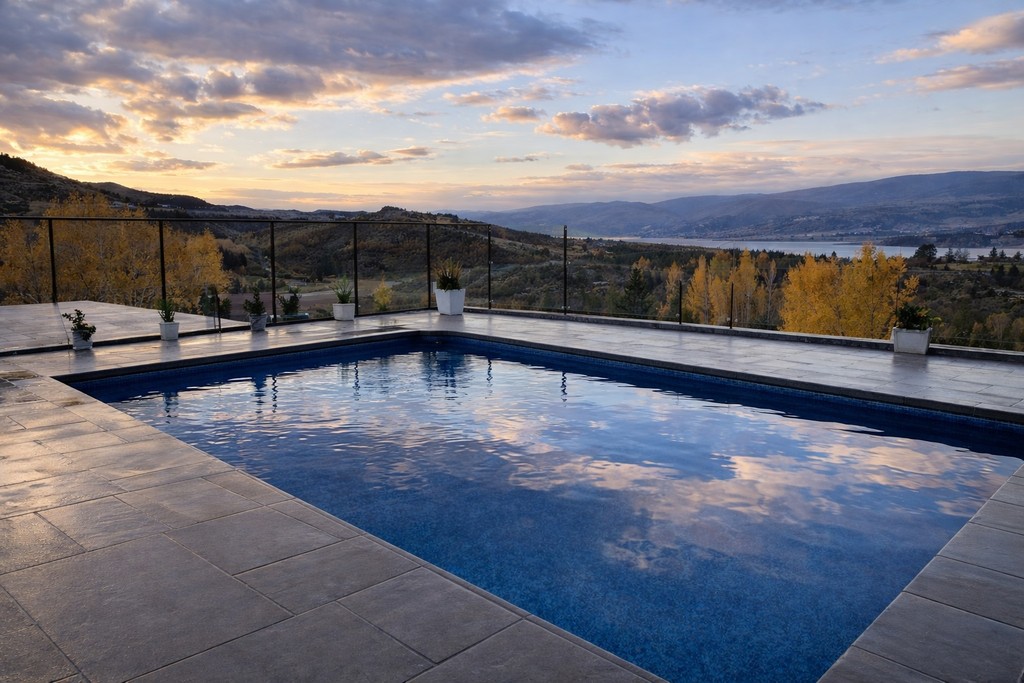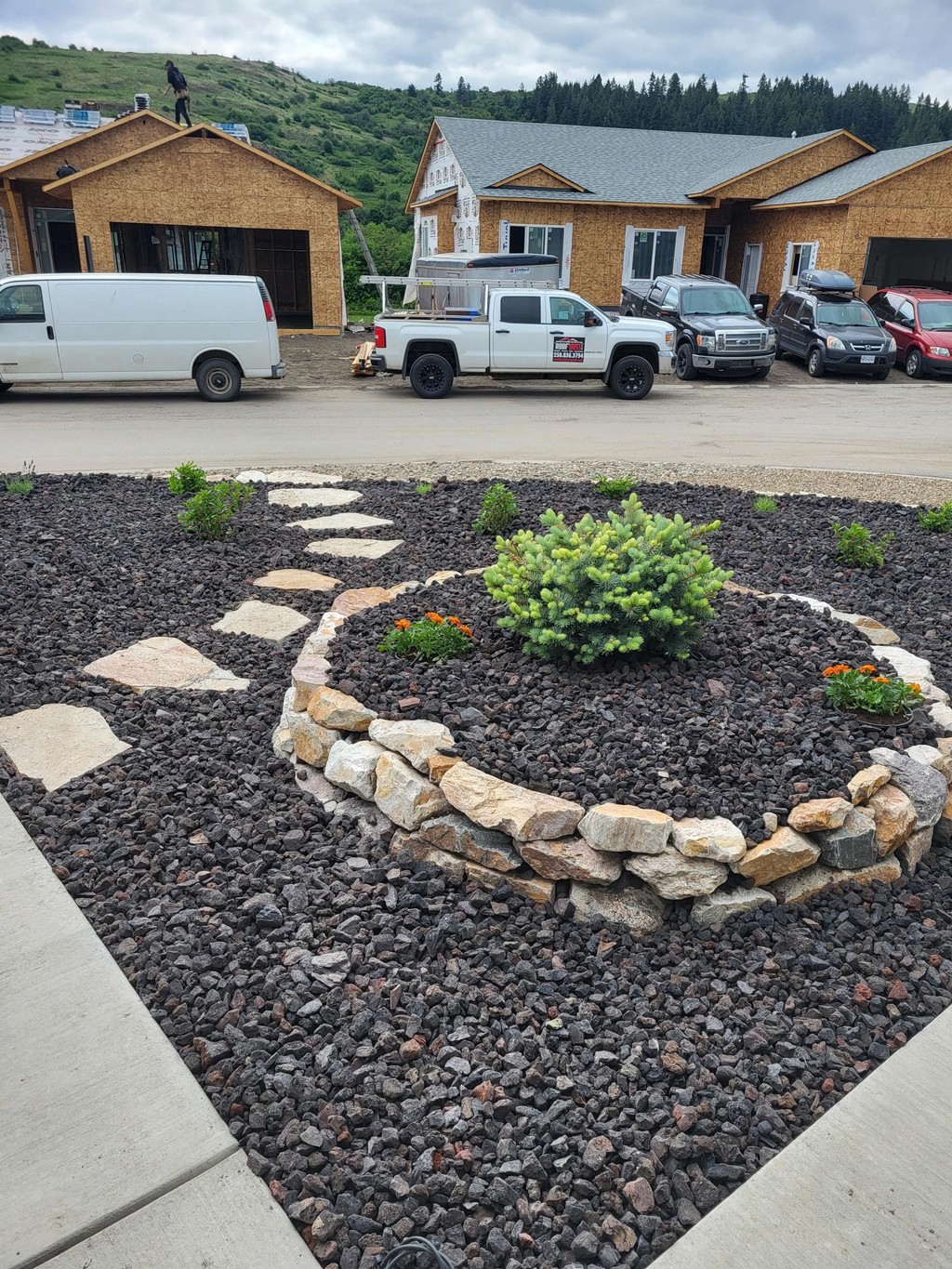
Landscape design is more than making a yard look good. In Vernon, BC—where we deal with hot summers, freeze-thaw cycles, and varying soil conditions—a well-designed landscape must be functional, durable, and built for long-term performance. This guide walks you through what landscape design actually involves, what to expect during the process, and why investing in professional design pays off over time.
Landscape design is more than making a yard look good. In Vernon, BC—where we deal with hot summers, freeze-thaw cycles, and varying soil conditions—a well-designed landscape must be functional, durable, and built for long-term performance. This guide walks you through what landscape design actually involves, what to expect during the process, and why investing in professional design pays off over time.
About Author

Sylvia
Danny is entreprenur that loves to build businesses. Lets go!
About Author
Sylvia
Danny is entreprenur that loves to build businesses. Lets go!
What Is Landscape Design?
Landscape design is the planning phase that determines how your outdoor space will look, function, and age. It blends aesthetics with engineering, drainage, material selection, and plant placement to create a space that works in Okanagan conditions.
A proper landscape design considers:
Property grading and drainage
Sun exposure and shade patterns
Soil conditions and water requirements
Traffic flow and usability
Long-term maintenance and durability
In Vernon, landscape design isn’t optional—it’s the difference between a yard that lasts decades and one that fails within a few seasons.
The Landscape Design Process: What to Expect
1. Initial Consultation and Site Review
The process starts with an on-site evaluation. This includes reviewing your goals, budget, lifestyle needs, and how the space will actually be used. Drainage issues, slopes, access points, and existing structures are all assessed early to avoid costly changes later.
2. Concept Development
Next comes the design concept. This defines the overall layout—patios, walkways, lawns, planting zones, retaining walls, and lighting. At this stage, functionality matters more than finishes. The goal is to get the structure right.
3. Material and Plant Selection
Materials are selected based on durability, climate suitability, and maintenance expectations. In Vernon, freeze-thaw resistance, drainage performance, and heat tolerance are critical. Plant choices are made to thrive in Okanagan conditions while minimizing water use and upkeep.
4. Design Refinement and Final Plan
Once the concept and materials are aligned, the design is refined into a build-ready plan. This reduces uncertainty during construction, keeps costs predictable, and shortens timelines.
5. Build Execution
With a clear design in place, installation becomes efficient and controlled. Crews follow the plan rather than improvising, which reduces mistakes, rework, and delays.
Benefits of Professional Landscape Design
Fewer Costly Mistakes
Design prevents expensive fixes caused by poor drainage, incorrect grading, or incompatible materials. Fixing mistakes after installation is always more expensive than planning correctly upfront.
Better Long-Term Performance
A well-designed landscape ages better. Materials shift less, plants thrive, and maintenance stays manageable over time.
Increased Property Value
Professionally designed landscapes increase curb appeal and resale value. Buyers see a finished, intentional outdoor space rather than future work.
Efficient Use of Space
Design ensures every area serves a purpose—entertaining, relaxation, access, or visual balance—without overcrowding the property.
Predictable Budget and Timeline
Clear plans reduce scope creep and surprises. You know what’s being built, how long it will take, and where your money is going.
Why Landscape Design Matters in Vernon, BC
Vernon’s climate and terrain demand smarter planning than many regions. Sloped lots, clay soils, hot summers, and cold winters all impact how landscapes perform. Local design experience ensures materials, drainage, and plant selections are chosen specifically for this environment—not generic templates.
Final Thoughts
Landscape design is the foundation of every successful outdoor project. Whether you’re planning a full yard transformation or a targeted upgrade, a clear design process saves money, improves results, and delivers a space that performs year after year.
If you’re considering landscape work in Vernon, starting with design is the smartest first step.
What Is Landscape Design?
Landscape design is the planning phase that determines how your outdoor space will look, function, and age. It blends aesthetics with engineering, drainage, material selection, and plant placement to create a space that works in Okanagan conditions.
A proper landscape design considers:
Property grading and drainage
Sun exposure and shade patterns
Soil conditions and water requirements
Traffic flow and usability
Long-term maintenance and durability
In Vernon, landscape design isn’t optional—it’s the difference between a yard that lasts decades and one that fails within a few seasons.
The Landscape Design Process: What to Expect
1. Initial Consultation and Site Review
The process starts with an on-site evaluation. This includes reviewing your goals, budget, lifestyle needs, and how the space will actually be used. Drainage issues, slopes, access points, and existing structures are all assessed early to avoid costly changes later.
2. Concept Development
Next comes the design concept. This defines the overall layout—patios, walkways, lawns, planting zones, retaining walls, and lighting. At this stage, functionality matters more than finishes. The goal is to get the structure right.
3. Material and Plant Selection
Materials are selected based on durability, climate suitability, and maintenance expectations. In Vernon, freeze-thaw resistance, drainage performance, and heat tolerance are critical. Plant choices are made to thrive in Okanagan conditions while minimizing water use and upkeep.
4. Design Refinement and Final Plan
Once the concept and materials are aligned, the design is refined into a build-ready plan. This reduces uncertainty during construction, keeps costs predictable, and shortens timelines.
5. Build Execution
With a clear design in place, installation becomes efficient and controlled. Crews follow the plan rather than improvising, which reduces mistakes, rework, and delays.
Benefits of Professional Landscape Design
Fewer Costly Mistakes
Design prevents expensive fixes caused by poor drainage, incorrect grading, or incompatible materials. Fixing mistakes after installation is always more expensive than planning correctly upfront.
Better Long-Term Performance
A well-designed landscape ages better. Materials shift less, plants thrive, and maintenance stays manageable over time.
Increased Property Value
Professionally designed landscapes increase curb appeal and resale value. Buyers see a finished, intentional outdoor space rather than future work.
Efficient Use of Space
Design ensures every area serves a purpose—entertaining, relaxation, access, or visual balance—without overcrowding the property.
Predictable Budget and Timeline
Clear plans reduce scope creep and surprises. You know what’s being built, how long it will take, and where your money is going.
Why Landscape Design Matters in Vernon, BC
Vernon’s climate and terrain demand smarter planning than many regions. Sloped lots, clay soils, hot summers, and cold winters all impact how landscapes perform. Local design experience ensures materials, drainage, and plant selections are chosen specifically for this environment—not generic templates.
Final Thoughts
Landscape design is the foundation of every successful outdoor project. Whether you’re planning a full yard transformation or a targeted upgrade, a clear design process saves money, improves results, and delivers a space that performs year after year.
If you’re considering landscape work in Vernon, starting with design is the smartest first step.
What Is Landscape Design?
Landscape design is the planning phase that determines how your outdoor space will look, function, and age. It blends aesthetics with engineering, drainage, material selection, and plant placement to create a space that works in Okanagan conditions.
A proper landscape design considers:
Property grading and drainage
Sun exposure and shade patterns
Soil conditions and water requirements
Traffic flow and usability
Long-term maintenance and durability
In Vernon, landscape design isn’t optional—it’s the difference between a yard that lasts decades and one that fails within a few seasons.
The Landscape Design Process: What to Expect
1. Initial Consultation and Site Review
The process starts with an on-site evaluation. This includes reviewing your goals, budget, lifestyle needs, and how the space will actually be used. Drainage issues, slopes, access points, and existing structures are all assessed early to avoid costly changes later.
2. Concept Development
Next comes the design concept. This defines the overall layout—patios, walkways, lawns, planting zones, retaining walls, and lighting. At this stage, functionality matters more than finishes. The goal is to get the structure right.
3. Material and Plant Selection
Materials are selected based on durability, climate suitability, and maintenance expectations. In Vernon, freeze-thaw resistance, drainage performance, and heat tolerance are critical. Plant choices are made to thrive in Okanagan conditions while minimizing water use and upkeep.
4. Design Refinement and Final Plan
Once the concept and materials are aligned, the design is refined into a build-ready plan. This reduces uncertainty during construction, keeps costs predictable, and shortens timelines.
5. Build Execution
With a clear design in place, installation becomes efficient and controlled. Crews follow the plan rather than improvising, which reduces mistakes, rework, and delays.
Benefits of Professional Landscape Design
Fewer Costly Mistakes
Design prevents expensive fixes caused by poor drainage, incorrect grading, or incompatible materials. Fixing mistakes after installation is always more expensive than planning correctly upfront.
Better Long-Term Performance
A well-designed landscape ages better. Materials shift less, plants thrive, and maintenance stays manageable over time.
Increased Property Value
Professionally designed landscapes increase curb appeal and resale value. Buyers see a finished, intentional outdoor space rather than future work.
Efficient Use of Space
Design ensures every area serves a purpose—entertaining, relaxation, access, or visual balance—without overcrowding the property.
Predictable Budget and Timeline
Clear plans reduce scope creep and surprises. You know what’s being built, how long it will take, and where your money is going.
Why Landscape Design Matters in Vernon, BC
Vernon’s climate and terrain demand smarter planning than many regions. Sloped lots, clay soils, hot summers, and cold winters all impact how landscapes perform. Local design experience ensures materials, drainage, and plant selections are chosen specifically for this environment—not generic templates.
Final Thoughts
Landscape design is the foundation of every successful outdoor project. Whether you’re planning a full yard transformation or a targeted upgrade, a clear design process saves money, improves results, and delivers a space that performs year after year.
If you’re considering landscape work in Vernon, starting with design is the smartest first step.
Other Blogs
Other Similar Blogs
Your go-to destination for insightful articles, tips, and inspiration on all things landscaping and outdoor living
Other Blogs
Other Similar Blogs
Your go-to destination for insightful articles, tips, and inspiration on all things landscaping and outdoor living
Other Blogs
Other Similar Blogs
Your go-to destination for insightful articles, tips, and inspiration on all things landscaping and outdoor living