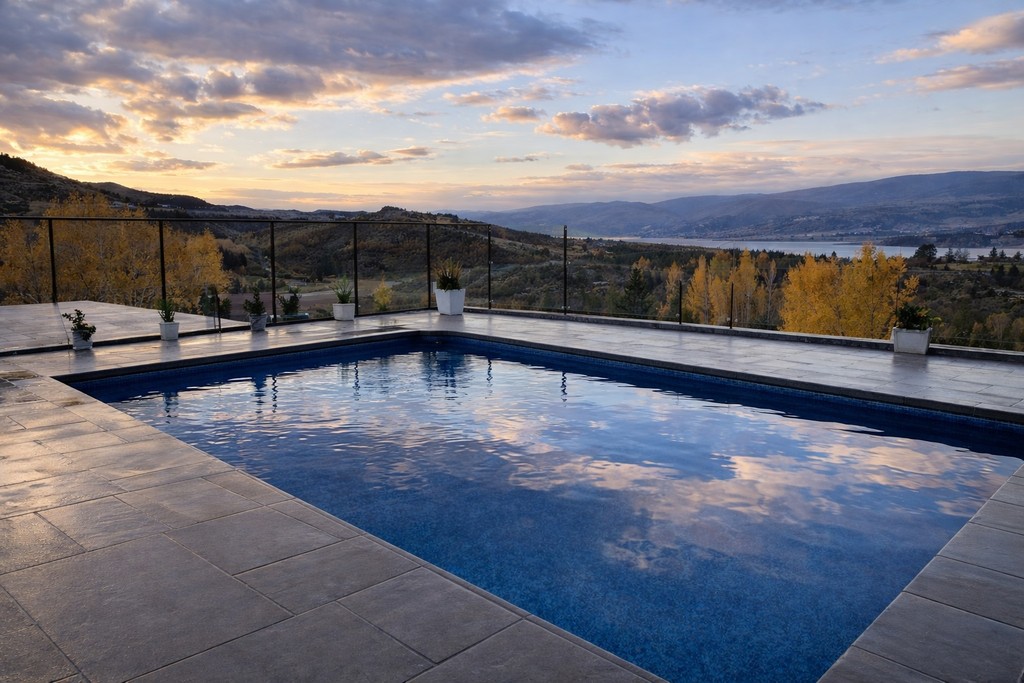
Building a pool is one of the most complex residential construction projects you can undertake. It’s not just excavation and concrete—it’s engineering, drainage, permitting, structural integrity, and long-term performance. As experienced pool builders, we’ve seen what works, what fails, and where projects go sideways. This guide explains the pool build process clearly, sets realistic expectations, and outlines why expertise matters at every stage.
Building a pool is one of the most complex residential construction projects you can undertake. It’s not just excavation and concrete—it’s engineering, drainage, permitting, structural integrity, and long-term performance. As experienced pool builders, we’ve seen what works, what fails, and where projects go sideways. This guide explains the pool build process clearly, sets realistic expectations, and outlines why expertise matters at every stage.
About Author

Danny
Danny is entreprenur that loves to build businesses. Lets go!
About Author
Danny
Danny is entreprenur that loves to build businesses. Lets go!
Pool Building Is Construction, Not a Product
A pool is not a prefabricated item—it’s a permanent structure integrated into your property. Every site has different soil conditions, access constraints, water tables, and municipal requirements.
Expert pool construction accounts for:
Soil stability and compaction
Drainage and groundwater management
Structural reinforcement
Local code compliance and inspections
Freeze-thaw cycles and climate stress
Integration with landscaping and hardscape
Skipping any of these leads to cracks, settling, leaks, or premature failure.
The Expert Pool Build Process
1. Site Evaluation and Feasibility
Before design begins, the site is evaluated for access, grade, soil type, utilities, and drainage. This step determines what is realistically possible and prevents costly redesigns later.
2. Design and Engineering
The design phase defines:
Pool size, shape, and depth
Structural requirements
Equipment placement
Safety features
Integration with patios, decks, and landscaping
We ensure the pool shell, plumbing, and surrounding structures perform long-term, not just on day one.
3. Permits and Approvals
Pools require permits, inspections, and code compliance. This includes fencing, setbacks, drainage, and safety regulations.
An expert builder manages this process proactively to avoid delays, failed inspections, or stop-work orders.
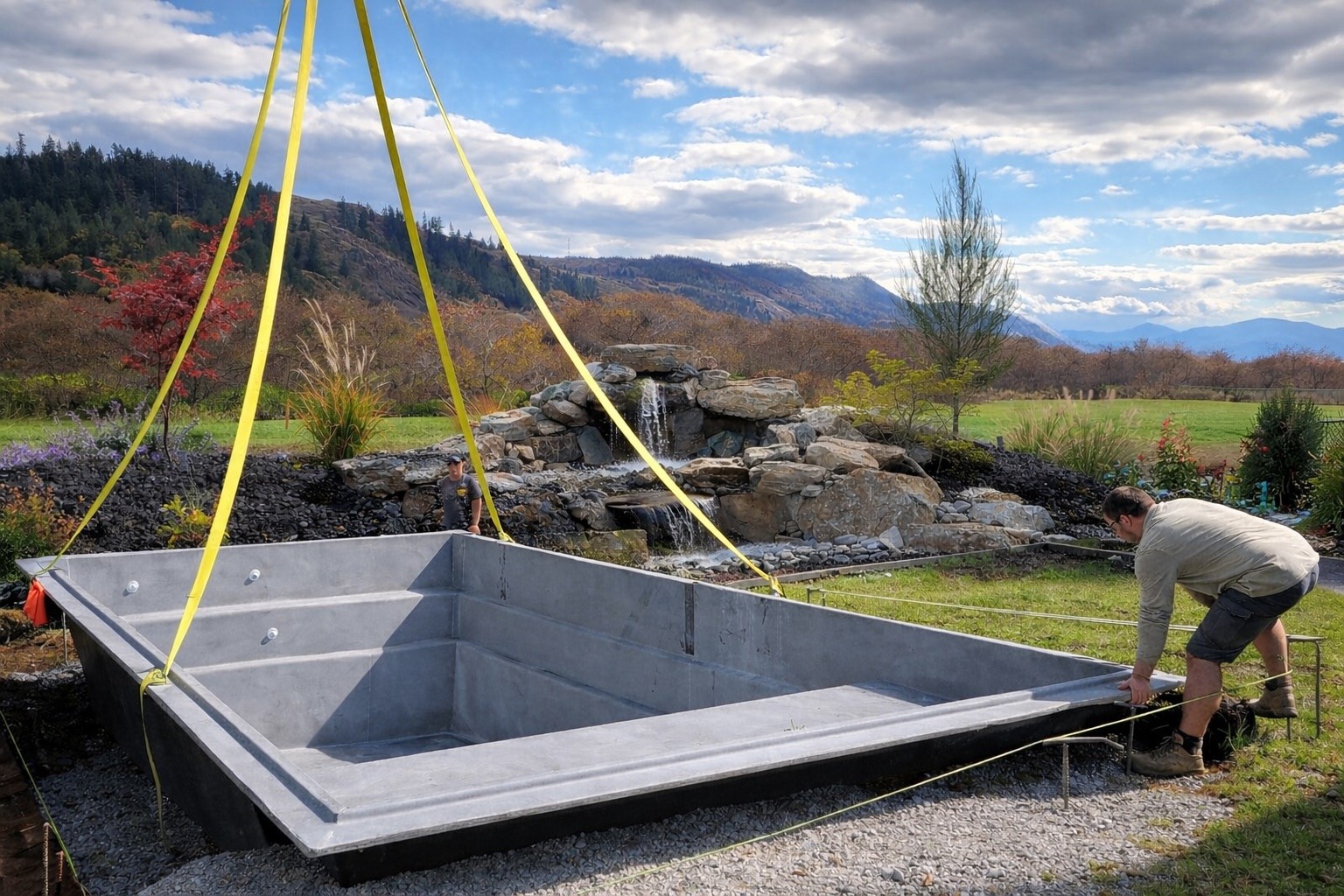
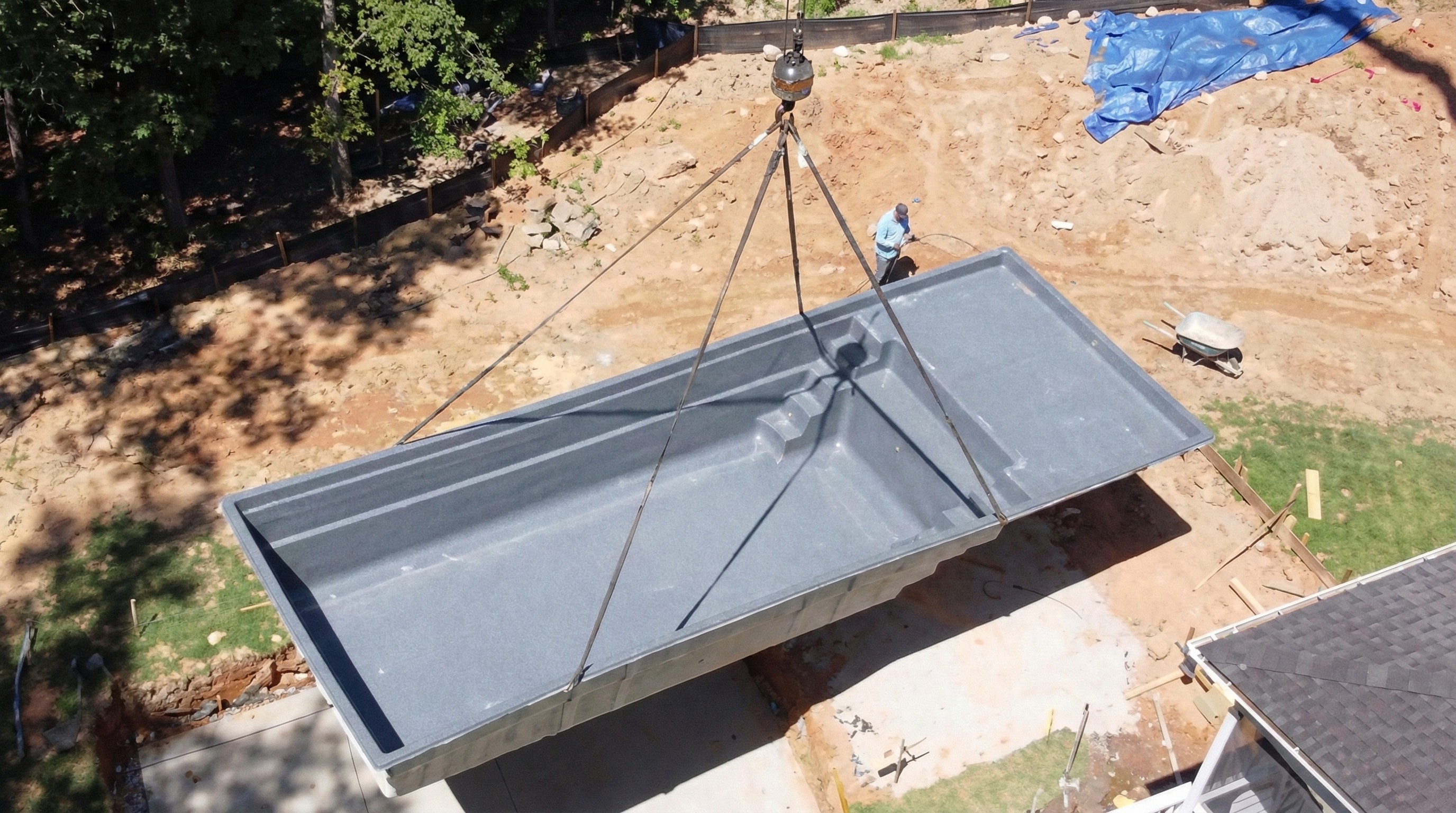
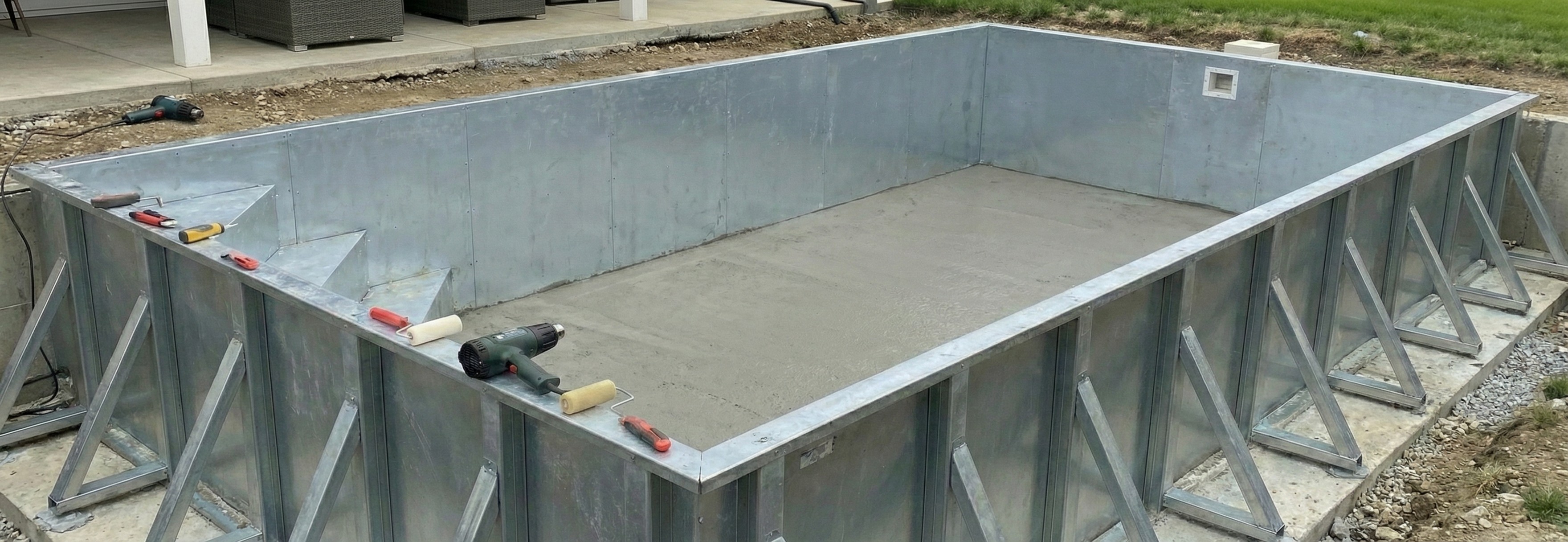
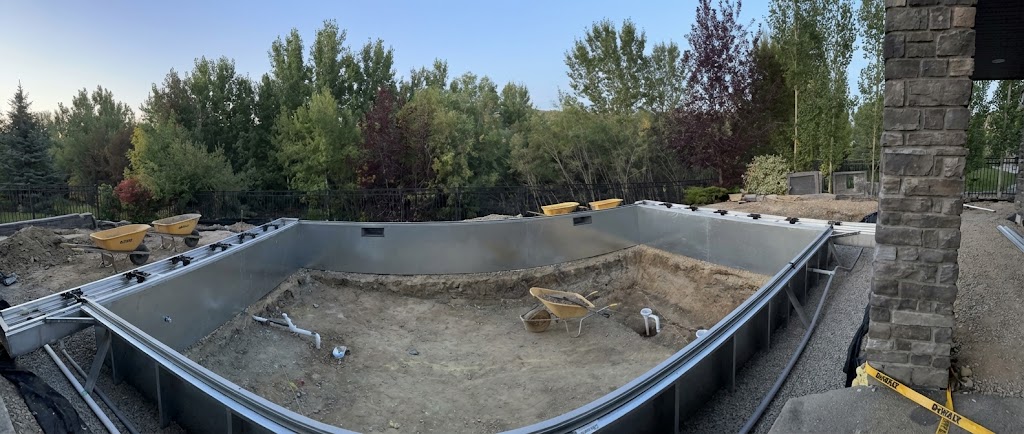
4. Excavation and Structural Build
This is where precision matters most. Excavation must be exact, soil properly compacted, and reinforcement installed correctly.
Errors at this stage are hidden later—and expensive to fix.
5. Plumbing, Electrical, and Equipment Installation
Pool systems must be sized correctly and installed to code. This includes:
Circulation and filtration
Heating systems
Electrical bonding and grounding
Automation and controls
Poor system design leads to high operating costs and unreliable performance.
6. Finishing, Testing, and Commissioning
Once the structure is complete, finishes are applied, systems are tested, and the pool is commissioned for use. This includes pressure testing, safety verification, and performance checks.
A professional handover ensures the pool is ready to use—and easy to maintain.
Why Expertise Matters in Pool Construction
Structural Integrity
Pools must withstand ground movement, water pressure, and seasonal changes. Engineering and build quality determine whether a pool lasts decades or becomes a liability.
Predictable Timelines
Expert builders plan sequencing correctly—reducing downtime between trades and avoiding unnecessary delays.
Cost Control
Clear planning and accurate scope reduce change orders and surprise expenses.
Long-Term Performance
A well-built pool operates efficiently, costs less to maintain, and retains value over time.
Common Mistakes Made Without Expert Oversight
Underestimating excavation complexity
Poor drainage planning
Inadequate reinforcement
Incorrect equipment sizing
Ignoring future maintenance access
Designing without landscape integration
These mistakes don’t always show immediately—but they always surface.
Final Thoughts
A pool is a major investment and a permanent part of your property. The difference between a good experience and a costly mistake comes down to expertise, planning, and execution.
Working with experienced pool builders ensures your pool is designed correctly, built properly, and performs reliably for years to come.
If you’re considering a pool build, start with a professional evaluation and a clear plan. It’s the smartest decision you can make.
Pool Building Is Construction, Not a Product
A pool is not a prefabricated item—it’s a permanent structure integrated into your property. Every site has different soil conditions, access constraints, water tables, and municipal requirements.
Expert pool construction accounts for:
Soil stability and compaction
Drainage and groundwater management
Structural reinforcement
Local code compliance and inspections
Freeze-thaw cycles and climate stress
Integration with landscaping and hardscape
Skipping any of these leads to cracks, settling, leaks, or premature failure.
The Expert Pool Build Process
1. Site Evaluation and Feasibility
Before design begins, the site is evaluated for access, grade, soil type, utilities, and drainage. This step determines what is realistically possible and prevents costly redesigns later.
2. Design and Engineering
The design phase defines:
Pool size, shape, and depth
Structural requirements
Equipment placement
Safety features
Integration with patios, decks, and landscaping
We ensure the pool shell, plumbing, and surrounding structures perform long-term, not just on day one.
3. Permits and Approvals
Pools require permits, inspections, and code compliance. This includes fencing, setbacks, drainage, and safety regulations.
An expert builder manages this process proactively to avoid delays, failed inspections, or stop-work orders.
4. Excavation and Structural Build
This is where precision matters most. Excavation must be exact, soil properly compacted, and reinforcement installed correctly.
Errors at this stage are hidden later—and expensive to fix.
5. Plumbing, Electrical, and Equipment Installation
Pool systems must be sized correctly and installed to code. This includes:
Circulation and filtration
Heating systems
Electrical bonding and grounding
Automation and controls
Poor system design leads to high operating costs and unreliable performance.
6. Finishing, Testing, and Commissioning
Once the structure is complete, finishes are applied, systems are tested, and the pool is commissioned for use. This includes pressure testing, safety verification, and performance checks.
A professional handover ensures the pool is ready to use—and easy to maintain.
Why Expertise Matters in Pool Construction
Structural Integrity
Pools must withstand ground movement, water pressure, and seasonal changes. Engineering and build quality determine whether a pool lasts decades or becomes a liability.
Predictable Timelines
Expert builders plan sequencing correctly—reducing downtime between trades and avoiding unnecessary delays.
Cost Control
Clear planning and accurate scope reduce change orders and surprise expenses.
Long-Term Performance
A well-built pool operates efficiently, costs less to maintain, and retains value over time.
Common Mistakes Made Without Expert Oversight
Underestimating excavation complexity
Poor drainage planning
Inadequate reinforcement
Incorrect equipment sizing
Ignoring future maintenance access
Designing without landscape integration
These mistakes don’t always show immediately—but they always surface.
Final Thoughts
A pool is a major investment and a permanent part of your property. The difference between a good experience and a costly mistake comes down to expertise, planning, and execution.
Working with experienced pool builders ensures your pool is designed correctly, built properly, and performs reliably for years to come.
If you’re considering a pool build, start with a professional evaluation and a clear plan. It’s the smartest decision you can make.
Pool Building Is Construction, Not a Product
A pool is not a prefabricated item—it’s a permanent structure integrated into your property. Every site has different soil conditions, access constraints, water tables, and municipal requirements.
Expert pool construction accounts for:
Soil stability and compaction
Drainage and groundwater management
Structural reinforcement
Local code compliance and inspections
Freeze-thaw cycles and climate stress
Integration with landscaping and hardscape
Skipping any of these leads to cracks, settling, leaks, or premature failure.
The Expert Pool Build Process
1. Site Evaluation and Feasibility
Before design begins, the site is evaluated for access, grade, soil type, utilities, and drainage. This step determines what is realistically possible and prevents costly redesigns later.
2. Design and Engineering
The design phase defines:
Pool size, shape, and depth
Structural requirements
Equipment placement
Safety features
Integration with patios, decks, and landscaping
We ensure the pool shell, plumbing, and surrounding structures perform long-term, not just on day one.
3. Permits and Approvals
Pools require permits, inspections, and code compliance. This includes fencing, setbacks, drainage, and safety regulations.
An expert builder manages this process proactively to avoid delays, failed inspections, or stop-work orders.
4. Excavation and Structural Build
This is where precision matters most. Excavation must be exact, soil properly compacted, and reinforcement installed correctly.
Errors at this stage are hidden later—and expensive to fix.
5. Plumbing, Electrical, and Equipment Installation
Pool systems must be sized correctly and installed to code. This includes:
Circulation and filtration
Heating systems
Electrical bonding and grounding
Automation and controls
Poor system design leads to high operating costs and unreliable performance.
6. Finishing, Testing, and Commissioning
Once the structure is complete, finishes are applied, systems are tested, and the pool is commissioned for use. This includes pressure testing, safety verification, and performance checks.
A professional handover ensures the pool is ready to use—and easy to maintain.
Why Expertise Matters in Pool Construction
Structural Integrity
Pools must withstand ground movement, water pressure, and seasonal changes. Engineering and build quality determine whether a pool lasts decades or becomes a liability.
Predictable Timelines
Expert builders plan sequencing correctly—reducing downtime between trades and avoiding unnecessary delays.
Cost Control
Clear planning and accurate scope reduce change orders and surprise expenses.
Long-Term Performance
A well-built pool operates efficiently, costs less to maintain, and retains value over time.
Common Mistakes Made Without Expert Oversight
Underestimating excavation complexity
Poor drainage planning
Inadequate reinforcement
Incorrect equipment sizing
Ignoring future maintenance access
Designing without landscape integration
These mistakes don’t always show immediately—but they always surface.
Final Thoughts
A pool is a major investment and a permanent part of your property. The difference between a good experience and a costly mistake comes down to expertise, planning, and execution.
Working with experienced pool builders ensures your pool is designed correctly, built properly, and performs reliably for years to come.
If you’re considering a pool build, start with a professional evaluation and a clear plan. It’s the smartest decision you can make.
Other Blogs
Other Similar Blogs
Your go-to destination for insightful articles, tips, and inspiration on all things landscaping and outdoor living
Other Blogs
Other Similar Blogs
Your go-to destination for insightful articles, tips, and inspiration on all things landscaping and outdoor living
Other Blogs
Other Similar Blogs
Your go-to destination for insightful articles, tips, and inspiration on all things landscaping and outdoor living